
Foods to Avoid with Gallstones
Your gallbladder can be a demanding organ. Have you ever experienced one of those sharp pains in your upper right abdomen area that makes you stop what you’re doing? If you have, you must know that pain is caused by gallstones. Gallstones are small, hardened deposits of digestive fluid. They are generally a sign that your gallbladder is on high alert.
The gallbladder’s main job is to store bile. Bile helps your body break down fats. Whenever you eat something heavy or greasy, the gallbladder squeezes to release bile. If stones are present, the squeeze can lead to significant discomfort.
However, you can avoid this condition altogether by using a few strategic adjustments to your diet.
Here is a comprehensive look at the gallstones food to avoid list to help you stay comfortable and symptom-free.
What Are the Symptoms of Gallstones?
Gallstones symptoms are not that apparent in every case. They may even be asymptomatic until they block a bile duct. When symptoms do occur, they can be sudden and intense. The most common symptom is sharp pain in the upper right abdomen, which may spread to the center of the abdomen, back, or right shoulder. This pain is called the biliary colic. It can last anywhere from a few minutes to several hours.
Other common symptoms include nausea and vomiting, which is more apparent if you consume fatty foods. This is why it is important to understand gallstones symptoms & foods to avoid. Trigger foods can worsen these episodes by a hefty margin.
Some people may experience bloating, indigestion, and discomfort after eating a heavy meal. These digestive issues indicate that the gallbladder is struggling to release bile.
In serious cases, complications can occur. Symptoms like jaundice, fever, chills, or persistent abdominal pain begin occurring. It can indicate a blocked bile duct or an infection, both of which require immediate medical attention.
Gallstone symptoms are often triggered after meals, particularly if it’s high-fat. Fatty foods cause the gallbladder to contract, which can lead to pain if stones obstruct the flow of bile.
Recognizing these symptoms early is a good thing for your health. You can avoid a flare-up by avoiding trigger foods. A proper diet and timely medical care can prevent a lot of complications.
What Are the Causes of Gallstones?
Gallstones form when there is an imbalance in the substances that make up bile. The most common cause is excess cholesterol in bile. Normally, bile contains chemicals that dissolve cholesterol. When the liver produces more cholesterol than the existing bile can process, it can crystallise and form stones.
Another major Gallstone cause is excess bilirubin, a substance produced when red blood cells break down. Liver disease, infections, or certain blood disorders can raise bilirubin levels, leading to pigment gallstones.
Improper gallbladder emptying is also a contributing factor. When the gallbladder does not empty completely or frequently enough, bile becomes concentrated, raising the risk of stone formation.
Lifestyle factors play a significant role as well, Diets high in fat, cholesterol, and refined sugars are strongly linked to gallstone formation. Obesity, rapid weight loss, and sedentary habits further increase the risk.
Certain demographics are more prone to gallstones, like women, people over the age of 40, and those with a family history of the condition. Hormonal factors, pregnancy, and medications containing estrogen can also raise the risk.
Gallstones develop due to a combination of dietary habits, metabolic imbalances, and lifestyle factors. Managing these risks, particularly by avoiding high-fat foods, is important for prevention.
Gallstones Foods to Avoid
When it comes to gallstones symptoms, foods to avoid, the general rule of thumb is to minimize anything that makes your gallbladder work overtime. Since the gallbladder processes fats, any foods that are high in fats, like processed or fried foods, can be detrimental to your gallbladder health.
1. Friend and Fast Foods
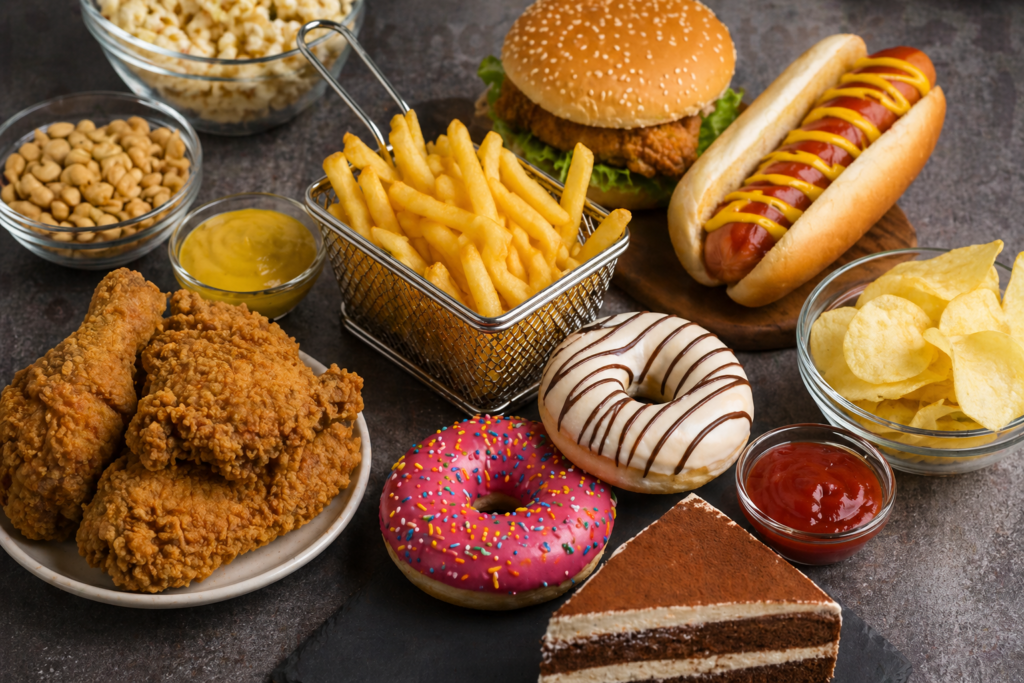
Fast food is one of the most common causes of gallbladder problems. Fast foods are typically coated in heavy oils. Take French fries, fried chicken, doughnuts, or onion rings, for example. They are coated in heavy fats during the frying process. The gallbladder tries its absolute best to handle this level of grease entering your body, leading to overexertion of the tiny organ.
2. High-fat Dairy Products
Dairy is a good source of calcium, but the full-fat versions are often too heavy for someone who is dealing with gallstones. Foods like whole milk, heavy cream, full-fat cheese, butter, lard, ice cream, and sour cream fall under this high-fat dairy category. You’ll want to either steer clear of them or consume in moderation. If you have gallstones, it is best to avoid them entirely.
3. Fatty Meals and Processed Proteins
Meat is generally not bad for health, but the type of meat matters. High-fat cuts can be difficult for bile to break down. Try to avoid ribeye, fatty steaks, sausage, bacon, pepperoni, ground beef with a high fat percentage, and canned meats.
4. Refined Sugars and Carbs
Foods like white bread, pastries, sugary cereals, soda, and desserts can put a lot of pressure on your gallbladder, especially if you are suffering from gallstones. These foods are low in fiber, having a higher risk of causing inflammation and bile cholesterol imbalance.
5. Trans Fats and Oils
Packaged snacks, lard, palm oil, coconut oil, and more come under the trans fats and oils category. These foods lead to bile cholesterol saturation and increase your risk of developing gallstones.
A Quick Foods to Avoid with Gallstones List
Category | Swap This | For This |
Protein | Bacon or Sausage | Turkey breast or Grilled chicken |
Dairy | Whole Milk | Skim or Almond milk |
Cooking | Frying in Butter/Oil | Baking, Steaming, or Air-frying |
Grains | White Bread/Pasta | Whole grain or Quinoa |
Dessert | Rich Cheesecake | Fresh fruit or Sorbet |
Managing Gallstones Symptoms
Knowing which gallstones foods to avoid is one thing, learning how to eat is another. Crash diets and skipping meals cannot help you. In fact, the gallstones symptoms may worsen if you lose weight too quickly. Rapid weight loss causes the bile to sit in the gallbladder for too long, becoming more concentrated.
Aim for smaller, more frequent meals. This keeps the gallbladder moving gently throughout the day. Smaller, frequent meals also means your gallbladder is not overloaded after a big dinner.
When Should You See A Doctor?
Diet changes can help reduce the frequency of gallstones attacks, but that doesn’t mean it is a cure for existing stones. If you experience intense pain accompanied by fever, chills, dark urine, light stools, or yellowing of skin (jaundice), you should get yourself checked by a doctor immediately.
If the pain lasts longer than 2 hours or is recurring, then it is a cause for concern. Minor symptoms like indigestion, bloating, or nausea can also be a signal of worsening gallstones.
Conclusion
The only way to manage gallstones and gallbladder health is to play the long game with your digestive health. As many experts, including a gastroenterologist in Borivali, emphasize, cutting out your favourite foods entirely might feel like a sacrifice at first, but the relief of avoiding a painful flare-up is well worth the adjustment.
If you don’t have gallstones, moderating the consumption of any of the above-mentioned foods is a great way to make sure you don’t develop them. Focus on the foods to avoid with gallstones list and lean into a fiber-rich, low-fat lifestyle. This can give your gallbladder the break it deserves. And remember that everybody’s body reacts differently, so figure out what works best for you and follow your doctor’s instructions to live a flareup-free life!
The most common gallstones foods to avoid are those high in unhealthy fats and cholesterol. These include fried foods, fast food, processed snacks, fatty cuts of meat, and full-fat dairy products like butter, cream, and cheese. Such foods can cause the gallbladder to contract more intensely, increasing the risk of pain if gallstones are present. Over time, a diet rich in these items can also contribute to the formation of gallstones by raising cholesterol levels in bile. Choosing low-fat and fiber-rich alternatives can significantly help manage symptoms.
A comprehensive foods to avoid with gallstones list includes:
- Deep-fried foods (pakoras, fries, chips)
- Fatty meats (mutton, pork, sausages, bacon)
- Processed and packaged foods
- Full-fat dairy products (cream, butter, paneer, cheese)
- Refined carbohydrates (white bread, pasta, bakery items)
- Sugary foods and beverages (soft drinks, sweets, desserts)
- Oily and spicy curries
These foods are difficult to digest and can trigger gallbladder contractions, leading to discomfort or pain.
Fatty foods are problematic because they stimulate the gallbladder to release bile to aid digestion. When gallstones are present, this contraction can cause stones to block the bile ducts, resulting in sharp abdominal pain known as a gallstone attack. Additionally, diets high in saturated fats can increase cholesterol levels in bile, which is one of the main causes of gallstone formation.
The connection between gallstone symptoms and foods to avoid is very strong. Certain foods, especially those high in fat or sugar, can trigger or worsen symptoms such as abdominal pain, bloating, nausea, and indigestion. By identifying and avoiding these trigger foods, individuals can reduce the frequency and severity of gallstone attacks and improve overall digestive comfort.
Dairy products can be consumed in moderation, but it’s important to choose low-fat or fat-free options. Full-fat dairy products like cream, butter, and cheese are considered gallstones foods to avoid because they are high in saturated fat, which can aggravate symptoms. Switching to skim milk, low-fat yogurt, or reduced-fat paneer can be a healthier alternative.
Yes, excessive sugar intake can contribute to gallstone problems. Diets high in refined sugar can lead to weight gain and increase triglyceride levels, both of which are risk factors for gallstones. Sugary foods and beverages like sweets, cakes, and soft drinks are often included in a foods to avoid with gallstones list because they can worsen symptoms and increase the likelihood of flare-ups.
Eggs can be tricky for people with gallstones. While egg whites are generally safe and high in protein, egg yolks contain cholesterol and fat, which may trigger symptoms in some individuals. Therefore, egg yolks are often limited or included in a foods to avoid with gallstones list, especially for those who experience discomfort after consuming them.
Spicy food does not directly cause gallstones, but it can irritate the digestive system and worsen symptoms such as bloating, acidity, or nausea. For individuals already experiencing gallbladder issues, spicy and heavily seasoned foods may act as triggers. That’s why they are sometimes included in discussions about gallstones symptoms foods to avoid, particularly for sensitive individuals.
Yes, following a low-fat diet is one of the most effective ways to manage gallstones. Reducing fat intake helps prevent excessive gallbladder contractions, lowering the risk of pain and complications. A balanced diet rich in fruits, vegetables, whole grains, and lean protein can improve digestion and reduce the likelihood of gallstone formation. This dietary approach directly complements recommendations related to gallstones foods to avoid.
During a gallstone attack, it is crucial to avoid foods that can worsen symptoms. These include fried foods, oily dishes, butter, ghee, creamy sauces, fast food, and heavy desserts. These items can intensify gallbladder contractions and increase pain. Instead, sticking to light, low-fat meals like soups, boiled vegetables, and whole grains can help ease discomfort.