
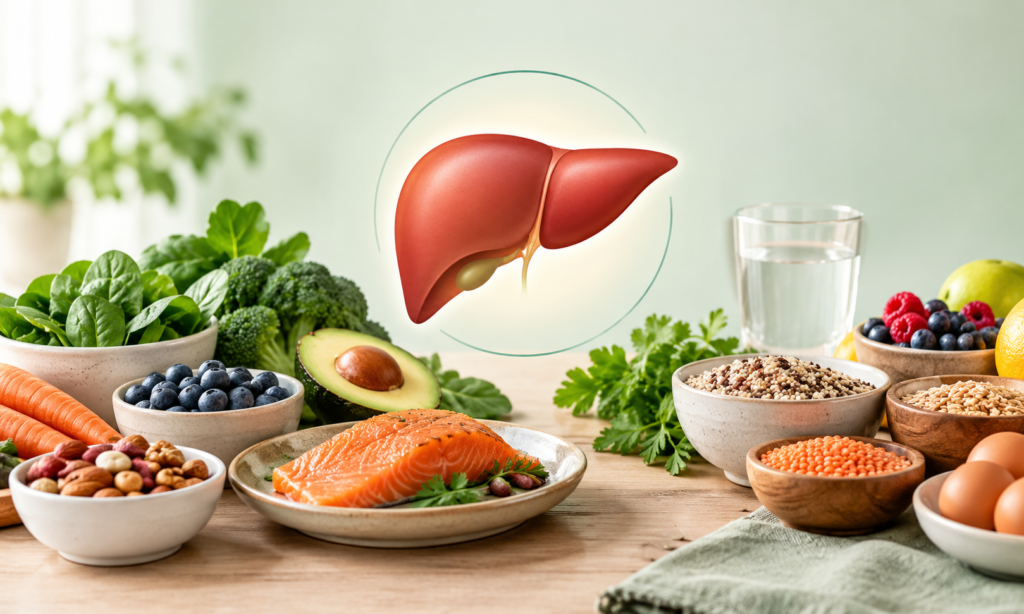
What Is the Role of Diet in Managing Hepatitis B?
Diet acts as a facilitator in managing Hepatitis B, though a healthy diet alone can’t cure the ailment.
Since Hepatitis B is essentially a liver disease (infection) in which the liver functioning is impaired, you should eat foods that help improve the working of the liver. Include carbohydrates, fruits, and vegetables liberally in your diet to improve liver functioning.
Which Foods Are Best to Eat When You Have Hepatitis B?
Eat a well-balanced diet that is rich in nutrients.
Eat fruits and veggies in liberal quantities, since they are a good source of vitamins, fiber, and antioxidants. Also, you should consume whole grains, proteins, healthy unsaturated fats, and low-fat dairy items. Another important point is to stay hydrated at all times by drinking plenty of water.
What Fruits and Vegetables Support Liver Health?
Apples, grapefruits, berries, avocado, papaya, and pomegranate are best, since they play a key role in reducing oxidative stress and fat build-up.
Leafy greens like spinach and cabbage, packed with chlorophyll and antioxidants, are especially good for the liver. Cruciferous vegetables such as broccoli and cauliflower, which help increase natural detoxification enzymes, also promote overall liver well-being.
Which Protein Sources Are Suitable for People With Hepatitis B?
Easy-to-digest protein, which helps repair liver cells, is best suited for Hepatitis B patients. These include proteins of plant origin such as tofu, lentils, and black beans; seafood varieties like salmon, mackerel, and sardines; poultry comprising skinless chicken breast; eggs; and low-fat dairy edibles.
Can Whole Grains Help Support a Healthy Liver?
Yes, they can, since they are rich in fiber that improves insulin sensitivity and also helps the body process fats and sugars more effectively. The fiber also improves liver enzyme levels.
Which Foods Should You Avoid with Hepatitis B?
If you are a Hepatitis B patient, watch out what you eat. Eating foods that cause inflammation of the liver or add fat to the liver will only worsen your problem.
To be specific, stay away from the following food items:
- Potato chips, French Fries, samosa, pakoda, as well as namkeen items such as sev, papdi, bhujiya, etc.
- Excessive table salt, canned soups, instant noodles
- Full-fat dairy edibles
- Cured meats and raw seafood
- Sweet/sugary beverages
- Alcohol in any form
Why Should Alcohol Be Completely Avoided During Hepatitis B?
Alcohol consumption increases liver scarring, adding to the inflammation already caused by the Hepatitis B virus, which may lead to complications such as fibrosis and cirrhosis.
Alcohol raises the risk of liver cancer, technically called hepatocellular carcinoma (HCC). Also, it accelerates viral replication, adding more strain to your already fragile immune system.
How Much Water Should You Drink for Better Liver Health?
It is advisable to drink 8 to 10 glasses of water per day.
Can Fatty and Processed Foods Affect Hepatitis B?
Yes, indeed; these foods increase the load on an already stressed-out liver.
How Can You Plan a Healthy Daily Diet for Hepatitis B?
Essentially, a healthy diet for Hepatitis B would focus on reducing stress on the liver and facilitating organ recovery.
As such, your diet should comprise carbohydrates, fiber, vitamins, antioxidants, plant-based proteins, and healthy fats.
What Lifestyle Habits Can Support Your Diet and Liver Health?
Leading an active, healthy lifestyle is crucial for maintaining and promoting liver health. This includes weight monitoring and control, daily exercise, hydration, alcohol abstinence, and sleep and stress management. Also, stop all medications that could be toxic for your liver – of course, after getting expert medical advice.
When Should You Consult a Doctor or Dietitian About Your Diet?
You should consult a liver specialist or dietitian about your diet if you experience signs of malnutrition or unexplained weight/appetite shifts.
FAQs
No, it can’t.
Yes, in decent amounts.
Moderate coffee consumption is good.
No; spicy food will aggravate the liver’s inflammation and stress.
Oatmeal with berries and nuts, veggie omelette, egg whites, avocado, and sprouted grain toast are various breakfast options to explore.
Lorem ipsum dolor sit amet, consectetur adipiscing elit. Ut elit tellus, luctus nec ullamcorper mattis, pulvinar dapibus leo.