
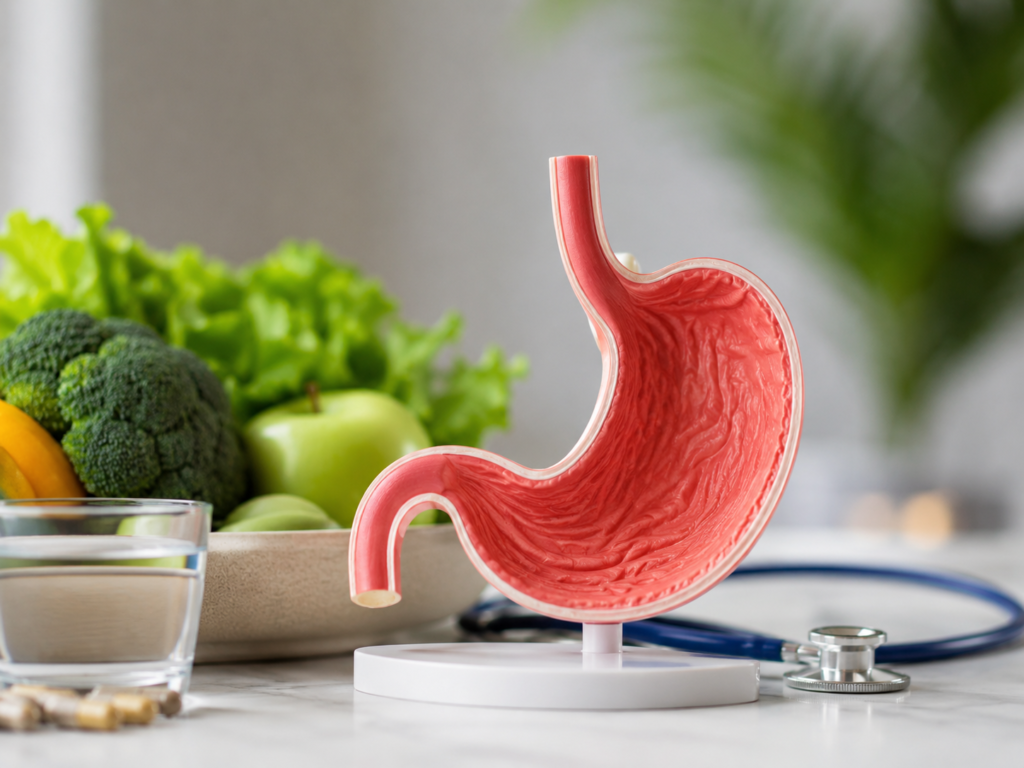
Peptic ulcers are open wounds which occur in the stomach or the first part of the small intestine. They may result in pain, discomfort as well as digestive issues. Usual causes are H. pylori infection and frequent intake of some painkillers. Simple lifestyle changes can prevent some of the risk factors. Understanding the prevention of peptic ulcer may protect your intestinal health.
What Causes Peptic Ulcers?
Peptic ulcers are usually caused by damage to the lining of the digestive tube. One of the primary causes of this damage is H. pylori infection. Risks of ulcers may be increased by frequent use of nonsteroidal anti-inflammatory medicines like ibuprofen. Smoking can have additional impacts on the healing process and increases complications. These factors make prevention of peptic ulcer disease to be significant for the long-term digestive well-being.
How to Prevent Peptic Ulcers?
The prevention of ulcers begins with minimizing the known risk factors, and following healthy practices. H. pylori infection can be reduced by maintaining good hygiene. Take only prescribed painkillers when necessary and in the correct doses. It is important not to smoke as it can disrupt the healing of ulcers. Risks can be identified in advance by regular medical advice from a gastroenterologist in Thane. The following are a few preventive measures of peptic ulcer which will help in maintaining good health of the stomach.
Follow a Healthy Diet for Better Digestive Health
There is no particular diet which can ensure total prevention of ulcers. However, a balanced diet may support digestion. Eat vegetables, fruits, good sources of protein, and whole grains. Take plenty of water in the day and do not eat excessively. Avoid foods that worsen your symptoms especially during your recovery time.
Manage Stress and Support Your Gut Health
Stress is not typically a reason behind peptic ulcer, but it may result in increased painfulness of digestive discomfort. The habit of day to day eating and sleep can be changed due to prolonged stress. Apply easy methods such as exercise, meditations, breathing exercises or sleeping. Even a regular eating timetable can facilitate an easy digestion process.
Use Painkillers Safely
There are painkillers that may damage the stomach lining when used continuously. Medicines such as ibuprofen, naproxen, and aspirin have the potential to increase the danger of ulcers depending. Use these medications only with the recommendation of a medical expert. Never exceed the recommended amount of dosage and duration. Inform your physician about the presence of ulcers.
When Should You See a Doctor?
The constant stomachache cannot be ignored especially when it occurs continuously. Seek medical advice in case you experience nausea, vomiting, or unexplainable weight loss. Emergency medical care should be given to black stools or vomiting blood. A gastroenterologist in Thane might help in the assessment of the symptoms and a prescription of any necessary tests or treatment.
Can Peptic Ulcers Be Completely Prevented?
All peptic ulcers are not preventable as some causes can not be controlled. Known risks however can be minimized and this will decrease the overall chances of getting ulcers. It is important to treat H. pylori and take some painkillers. Complications can be prevented by good healthy habits and early medical treatment, as well as help in recovery.
Conclusion
The first step in preventing peptic ulcers is to get knowledge of the main causes and risk factors of this condition. Proper diet, safe medication and good health can protect the digestive health. It can cope with stress management and result in a healthier stomach. Early treatment can prevent complications, and help in lifelong good digestive health.
FAQs
1. How to prevent peptic ulcers?
Unnecessary painkillers should be avoided, good hygiene practised, smoking avoided and treatment of H. pylori in case of diagnosis.
2. Is a healthy diet a preventative of peptic ulcer?
A very good diet helps in digestion yet ulcers cannot be prevented. It is not recommended to eat something that aggravates your symptoms during the recovery process.
3. Do painkillers result in peptic ulcers?
Yes, with frequent use of certain painkillers, it is possible to damage the stomach lining and put the risk of ulcers.
4. Can stress cause peptic ulcers?
Peptic ulcers are not usually caused by stress. However, it can worsen the symptoms and affect your digestion.
5. What are the foods to avoid with an ulcer?
Eliminate foods and drinks that increase your symptoms. People may not feel comfortable with hot food, acidic or exceedingly irritating food.
6. What symptoms of ulcers require medical help?
Visit a doctor when having chronic or persistent pain. Get emergency treatment in case of vomiting blood, black diarrhea, chronic pain or fainting.